Cuba Diaspora Capital: The $8B Wave About to Break
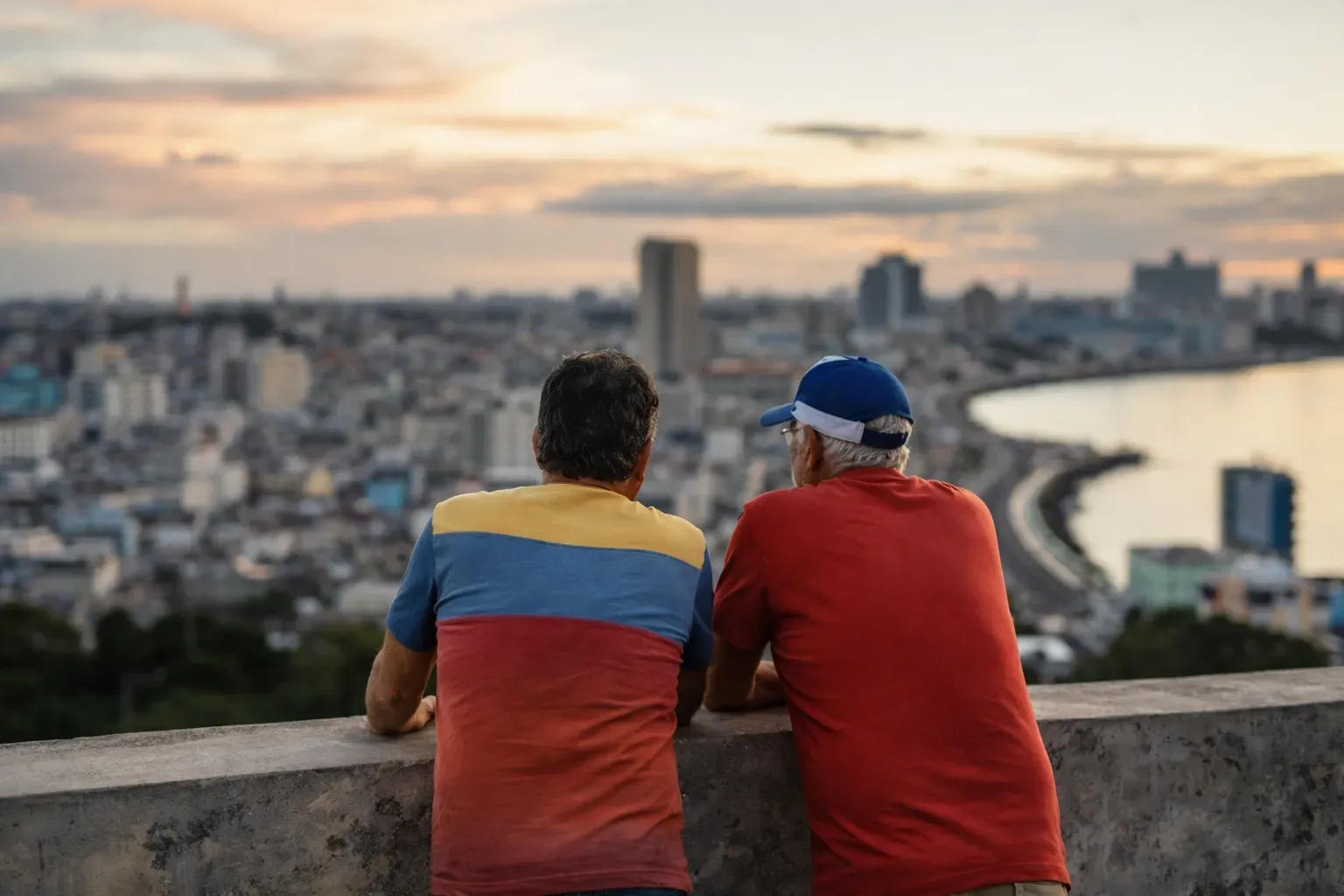
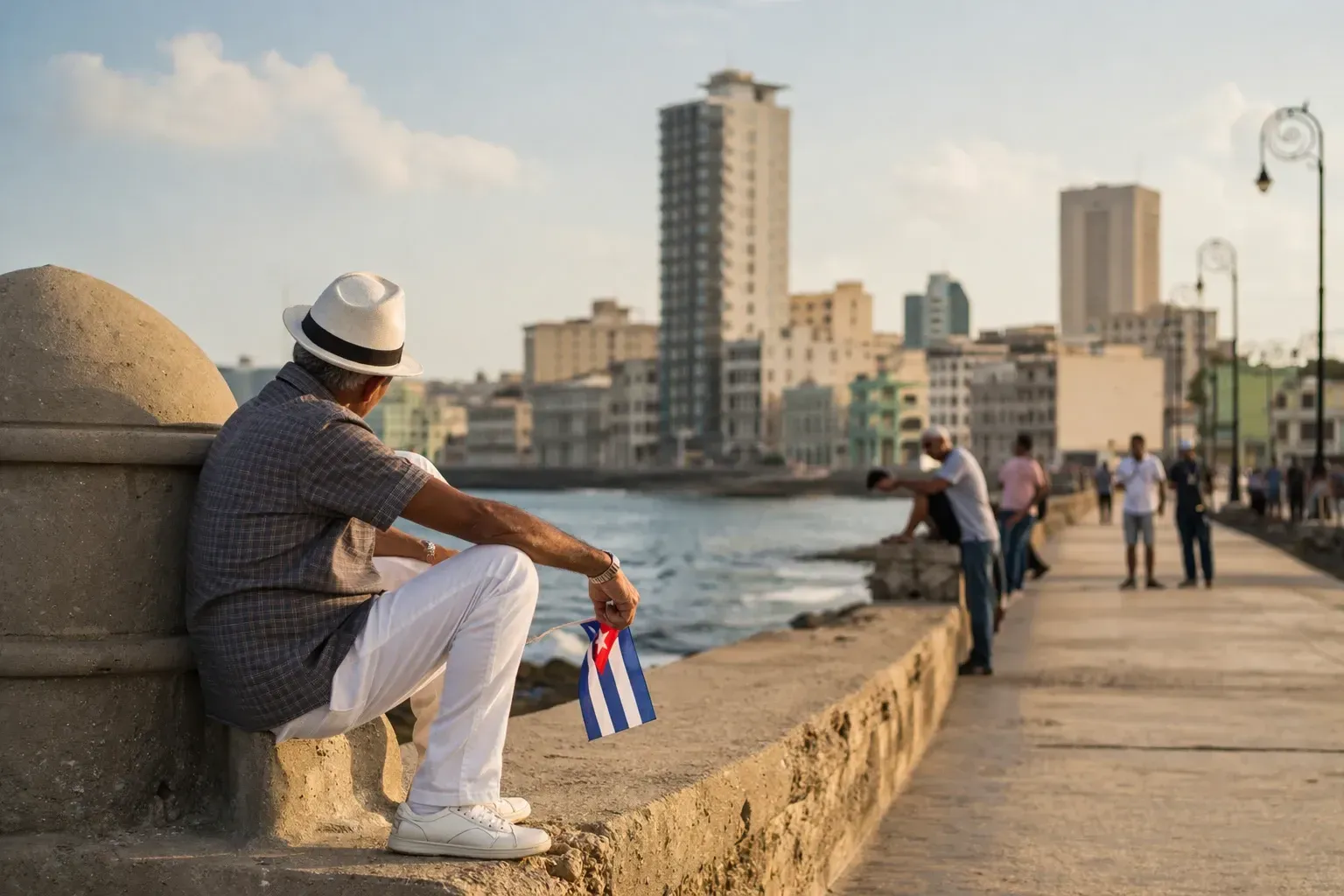
Cuba diaspora investment is no longer a question of if it is a question of when the floodgates open, and every signal in the Caribbean investment landscape right now suggests that moment is closer than most analysts dare to say. Across Miami, Madrid, and San Juan, Cuban-American entrepreneurs, second-generation professionals, and institutional investors are quietly positioning capital, assembling legal frameworks, and studying title registries for the day the regime's grip finally breaks. Those looking to formalize early positioning strategies are already beginning to connect with advisory teams ahead of the transition window. The story of post-transition Cuba is being written right now not in Havana's ministries, but in the offices and kitchens and WhatsApp groups of the diaspora.
Why Diaspora Capital Is the Engine of Cuba's Coming Boom
Look at any comparable transition economy and the pattern is unmistakable. When Vietnam opened to foreign investment in the early 1990s, overseas Vietnamese the Viet Kieu were among the first and most aggressive capital allocators. When Eastern Europe emerged from Soviet control, the diaspora didn't wait for perfect legal infrastructure; they moved on instinct, on family knowledge, on the irreplaceable advantage of knowing the land. Cuba's diaspora is larger, wealthier, and more organized than any of those precedents. Conservative estimates place Cuban-American household wealth in South Florida alone at north of $50 billion. That is not a trickle waiting to happen. That is a dam wall.
The remittance data even distorted as it is by the regime's predatory exchange mechanisms tells part of the story. Independent economists tracking informal transfer flows estimate that somewhere between $3.5 billion and $5 billion moves from the diaspora to the island annually through formal and informal channels combined. That figure, extracted under the worst possible conditions arbitrary currency conversion, regime-controlled remittance companies, and the constant threat of confiscation is a floor, not a ceiling. In a free-market Cuba, those flows transform overnight from survival transfers into investment capital.
What the Regime Claims and Why It Doesn't Matter
Havana insists it is "liberalizing" its approach to private enterprise. State media claims that the expansion of micro, small, and medium enterprises the so-called MiPyMES framework represents genuine structural reform. Let's be precise: independent verification of these claims is functionally impossible, and the pattern of the past 65 years gives every reason for skepticism. The regime opens a door, watches capital flow in, and then slams it shut when political pressure demands a demonstration of ideological purity. We have seen this cycle repeat with the 1990s Special Period pseudo-reforms, with the Raúl-era agricultural experiments, and with every announced "opening" since. What is happening in spite of 65 years of communist mismanagement is remarkable a generation of Cubans has built genuine entrepreneurial muscle under the most hostile conditions imaginable. That is the foundation of the post-transition economy. The regime deserves no credit for it.
My cousins in Havana I spoke with one of them earlier this week describe a street-level reality that no wire service captures. Informal markets are sophisticated. Pricing is rational. People are trading, innovating, and building networks of trust that function as proto-market institutions. The regime can criminalize entrepreneurship, but it cannot extinguish the human instinct to exchange value. When the transition comes, that instinct will not need to be taught. It is already there, tested by fire.
The Caribbean Investment Context: Regional Capital Is Already Moving
Cuba does not exist in a regional vacuum. Right now, Caribbean investment flows are accelerating in every market surrounding the island. Jamaica is attracting logistics investment tied to Panama Canal traffic patterns. The Dominican Republic's tourism infrastructure buildout continues at a pace that would have seemed impossible a decade ago. Puerto Rico's Opportunity Zone framework has pulled in billions in tech and real estate capital. Every dollar that lands in Kingston or Santo Domingo or San Juan instead of Havana is a dollar that will eventually recalibrate when Cuba's market becomes accessible. Investors building Caribbean portfolios today are making long-duration bets and the most sophisticated among them are reserving dry powder explicitly for the explicitly for the Cuban inflection point.
They understand something that is still underpriced in most models: Cuba is not just another Caribbean market, it is the missing anchor of the entire regional economy. The moment capital can move freely into Havana, Santiago, and the secondary cities, portfolio allocations across the Caribbean will not just expand, they will rebalance. Logistics routes will shift. Tourism flows will redistribute. Real estate valuations across neighboring islands will adjust in response to a market of 11 million people with prime geographic positioning suddenly coming online.
Diaspora investors are uniquely positioned to move first in that moment. They carry informational advantages that no institutional fund can replicate.
They know which neighborhoods held value before nationalization. They know which families maintained informal control of assets. They understand the cultural and commercial rhythms that will shape early-stage demand. This is not abstract emerging market theory. This is lived knowledge, passed through generations, now aligning with capital formation.
The $8 billion wave is not a projection pulled from thin air. It is a conservative framing of capital that is already emotionally committed and financially prepared, waiting only for legal clarity and political transition. And when that clarity arrives, it will not arrive gradually. It will come as a release of pressure built over decades.
When it does, the question will not be who is interested in Cuba. The question will be who moved early enough to matter, and who took the step to start the conversation before the window opened.
About the Author

Sofia Reyes
Sofia Reyes • March 30, 2026
This is paragraph text. Click it or hit the Manage Text button to change the font, color, size, format, and more. To set up site-wide paragraph and title styles, go to Site Theme.
Request a Domain Investment Consultation
Contact Us
We will get back to you as soon as possible.
Please try again later.
Cuba Strategic Partners
Explore premium domain opportunities and strategic partnerships tailored for growth in emerging markets.
You Might Also Like