Cuba Port Modernization: The $12B Rebuild Waiting
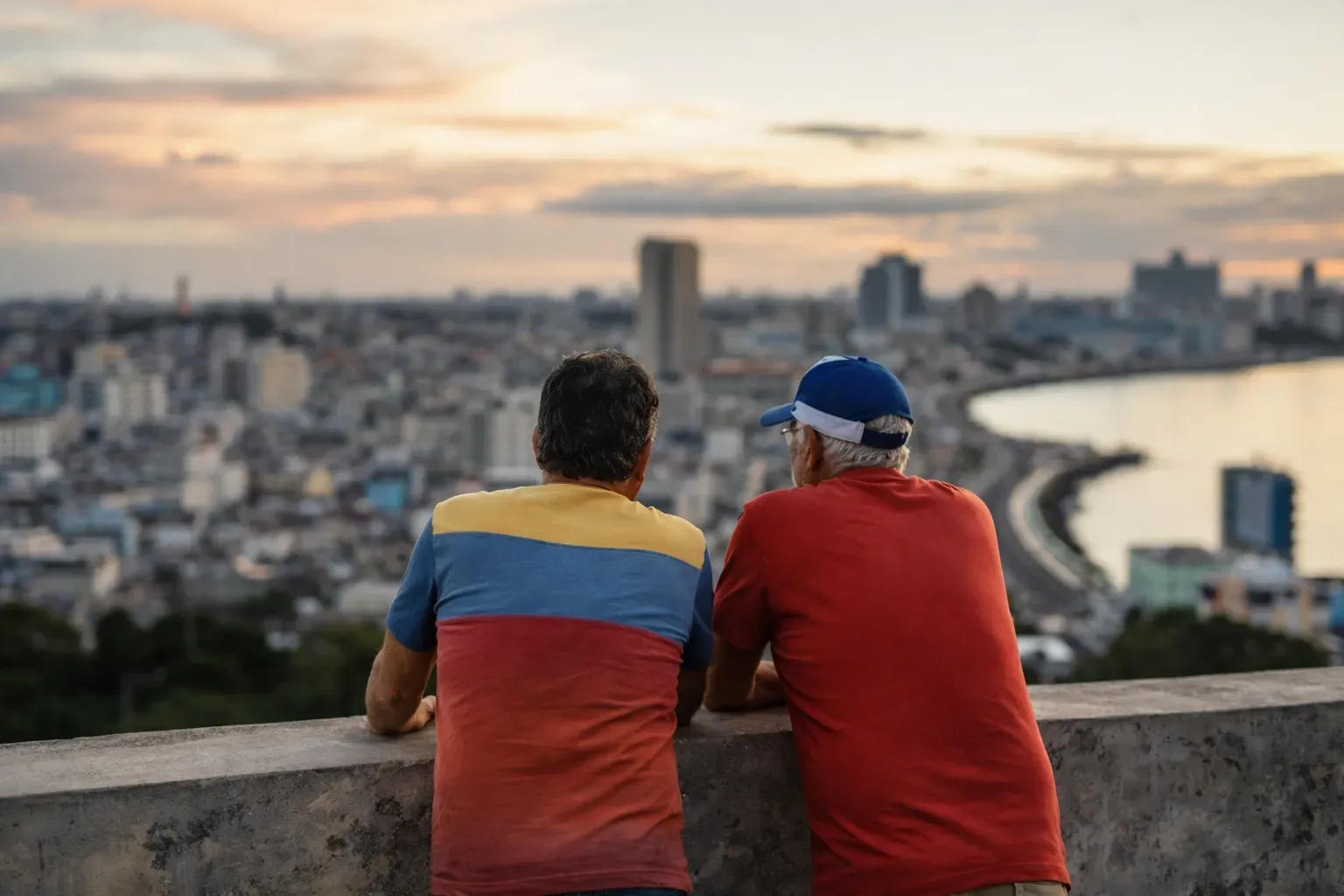
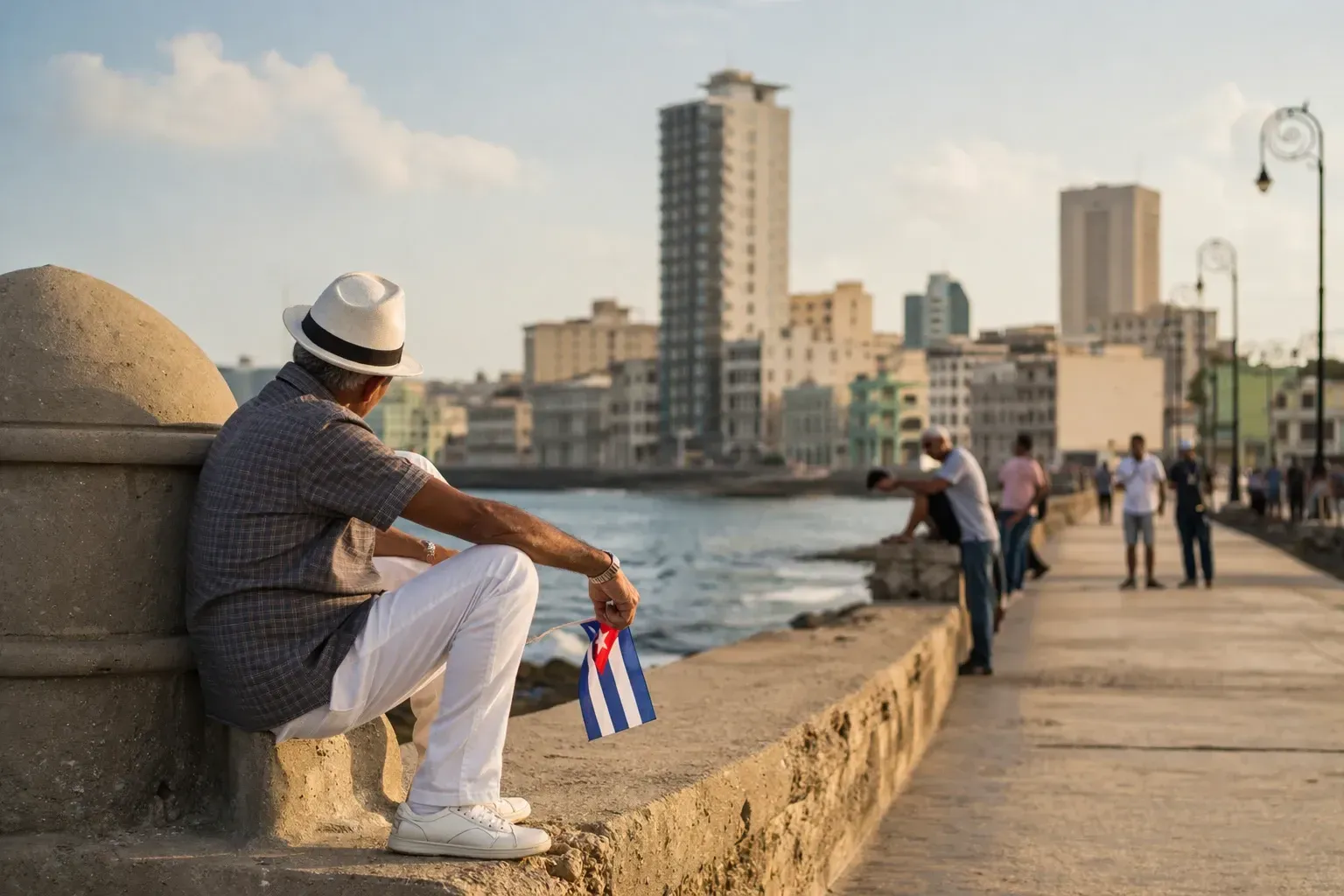
Cuba port modernization stands as one of the most compelling infrastructure investment theses in the Western Hemisphere right now not because the regime is building anything, but precisely because it has spent 65 years destroying everything that was built before it. As nearshoring accelerates across the Caribbean basin and global shipping operators scramble to reposition capacity after consecutive supply chain disruptions, the island sitting at the geographic center of Western Hemisphere trade lanes remains effectively offline. That is not a tragedy. For the investors and contractors mapping this market today, it is the setup for one of the most asymmetric infrastructure plays of the next decade.
What 65 Years of Mismanagement Actually Looks Like on the Water
My father spent twenty years as a civil engineer building Cuban state infrastructure. He was one of the lead engineers on the Santiago de Cuba port expansion in the 1980s a legitimate piece of work, competently executed, that could have formed the foundation of a modern Caribbean logistics hub. He calls me every Sunday. He tells me what that port looks like now. The short version: quay walls that haven't been dredged to design depth in over a decade, cargo handling equipment running on cannibalized Soviet-era parts, and a workforce that is skilled, experienced, and paid the equivalent of pocket change in worthless pesos. The Santiago port story is not unique. It is the template repeated at every major Cuban maritime facility.
State media claims Cuba handles approximately 10 million tons of cargo annually across its port network though independent verification of that figure is essentially impossible given the regime's opacity on trade data. What we do know from satellite imagery analysis and third-party shipping records is that vessel call frequency at Cuban ports has declined sharply over the past five years, berth utilization is erratic, and transshipment volumes that should naturally flow through Cuban facilities are instead being captured by Kingston, Freeport, and Caucedo. Cuba is hemorrhaging logistics revenue it doesn't even know it's entitled to.
The Geographic Case That No Regime Can Destroy
Here is the infrastructure investment thesis stripped to its core: Cuba sits 90 miles from the United States, directly astride the Florida Straits, with deepwater port sites on both the north and south coasts, and a natural position as a transshipment relay between the US East Coast, Gulf of Mexico, Caribbean, and South American markets. The Panama Canal expansion permanently altered Caribbean shipping economics. Post-Panamax vessels now transiting to East Coast US ports need relay and transshipment infrastructure that the Caribbean basin is still scrambling to build. Cuba has the coastline, the draft, and the geography to capture a meaningful share of that volume. What it lacks entirely because of 65 years of communist mismanagement is the capital, the management systems, and the commercial framework to monetize what it sits on.
The sites that matter most are well understood by anyone who has studied Caribbean port geography seriously. Havana harbor has constraints urban density, shallow approaches, historical complexity but it retains significant cruise and RoPax potential for a post-transition market. Cienfuegos, on the southern coast, is the industrial port story: deep natural harbor, proximity to the island's industrial corridor, and direct southern exposure to South American trade lanes. Readers tracking that specific asset should be following Cienfuegos Port developments closely. Santiago de Cuba anchors the eastern end and is the natural gateway for US Gulf and Caribbean eastern seaboard traffic. And Antilla, in Holguín Province, is the underdiscussed site a deep, sheltered bay in the northeast that the regime has largely ignored and that represents perhaps the cleanest greenfield-on-existing-infrastructure story in the Cuban port inventory. The team at Antilla Port has been tracking that site's potential in detail.
What a Post-Transition Port Rebuild Actually Costs
Let me put some project finance structure around this, because infrastructure is a numbers business and vague optimism doesn't close deals. A credible first-phase port modernization program for Cuba's four primary commercial ports Havana, Cienfuegos, Santiago, and Antilla would require somewhere between $8 billion and $12 billion in capital expenditure over a ten-year build-out, based on comparable Caribbean and Latin American port rehabilitation programs I reviewed during my years at IFC. That figure covers dredging to post-Panamax depth, quay wall reconstruction, container terminal equipment, intermodal rail and road connections, warehousing and cold storage, and digital port management systems. It is not a small number. But spread across a decade, financed through a combination of development finance institutions, sovereign transition bonds, and private concession structures, it is entirely executable.
The concession model is the right framework here and it is exactly how comparable post-transition port rehabilitations have been structured in markets from Myanmar to Mozambique. A private operator takes a 30-to-50-year concession, brings capital and management expertise, and shares revenue with the sovereign authority. The Cuban state's legitimate successor not the current regime, but the constitutional government that follows transition would be the concession grantor. Investors who want to understand the financial and legal architecture of that kind of structure should start with the Cuba Investment Guide , which covers the concession framework considerations in detail. The strategic intelligence layer sits at Cuba Strategic Partners , where sector-by-sector transition mapping is ongoing.
The Logistics Multiplier That Port Investment Unlocks
Port infrastructure doesn't operate in isolation. Every dollar of port capex unlocks a multiplier of logistics, warehousing, and supply chain investment downstream. Cuba's road network which the regime's own figures suggest has deteriorated to the point where over 40 percent of paved roads are in poor or critical condition, though again, independent verification is impossible represents a secondary wave of reconstruction contracting that follows port modernization. You cannot build a functioning transshipment hub if you cannot move cargo from the quay to the warehouse to the truck. The logistics corridor connecting Cuban port cities to the island's interior is a separate but directly linked investment thesis, and players who are mapping the Antilla Logistics and broader Havana Supply Chain corridor opportunities now will have a structural advantage when the market opens.
The construction contracting opportunity is equally substantial. Port rehabilitation at Cuban scale requires marine construction specialists, heavy civil contractors, dredging companies, and equipment suppliers operating under international procurement standards the regime has never permitted. Firms that establish early relationships with Cuban diaspora engineering networks and position themselves in the pre-transition period are the ones who will be first to bid. The Build Cuba platform is one of the resources tracking contractor positioning in this space.
The Investors Who Map This Now Will Win It Later
Cuba port modernization will not happen under the Díaz-Canel regime. It will not happen through regime planning, state procurement, or any mechanism the current leadership controls. It will happen the moment the political constraint is removed through private capital, diaspora engineering expertise, development finance institution support, and international contractors who have been waiting for exactly this opportunity. The investors who are doing their homework now, building their site intelligence, stress-testing their financial models, and establishing their legal and operational frameworks will not be starting from zero when that moment arrives. They will be closing. The Cuban people built this infrastructure once, watched it be systematically destroyed, and deserve to see it rebuilt not by the state that wrecked it, but by private capital and a free market that rewards the island's extraordinary geographic endowment. That rebuild is coming. The question is who is in the room when it starts.
Note: All investment activity related to Cuba must comply with current US OFAC regulations. Consult legal counsel before acting on any information in this publication.
Explore Cuba’s Port and Infrastructure Investment Opportunities
If you're evaluating logistics infrastructure, port modernization, or nearshoring-driven investment in Cuba, connect with experts who understand the timing and market dynamics.
Contact UsAbout the Author

Marco Antonio Vidal
Marco Antonio Vidal • March 24, 2026
This is paragraph text. Click it or hit the Manage Text button to change the font, color, size, format, and more. To set up site-wide paragraph and title styles, go to Site Theme.
Request a Domain Investment Consultation
Contact Us
We will get back to you as soon as possible.
Please try again later.
Cuba Strategic Partners
Explore premium domain opportunities and strategic partnerships tailored for growth in emerging markets.
You Might Also Like